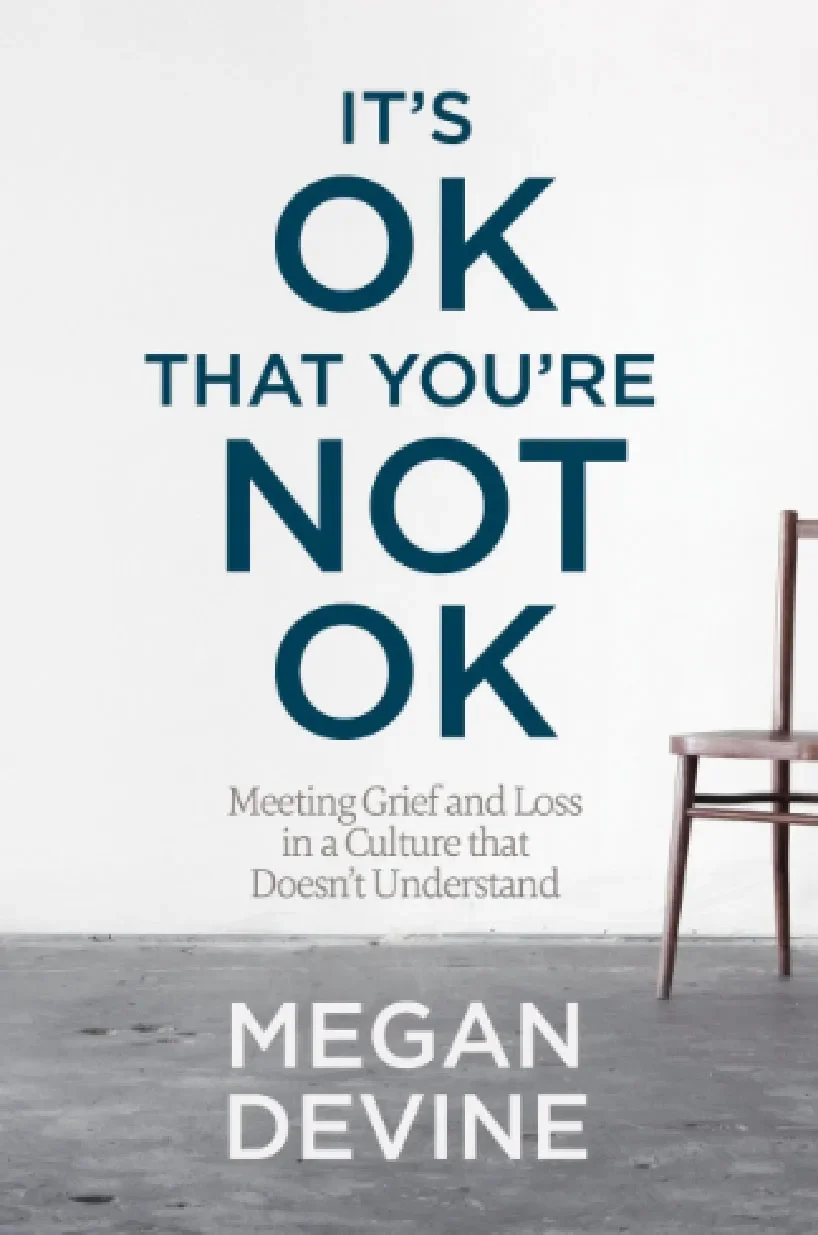
Reading while Grieving
A book club for those living with loss
“Grief is the price we pay for love.”
You are grieving and believe that you must hide it. Act like nothing is wrong. Try not to let feelings show. Be strong; keep going on as before. Don’t make other people feel uncomfortable. All the while, you feel disoriented and confused, perhaps just wanting to numb out.
You need validation, compassion, and community. That is why this bookclub exists.
Grief is not a problem to be fixed.
Queen Elizabeth

Grief is a journey
Grief is a journey
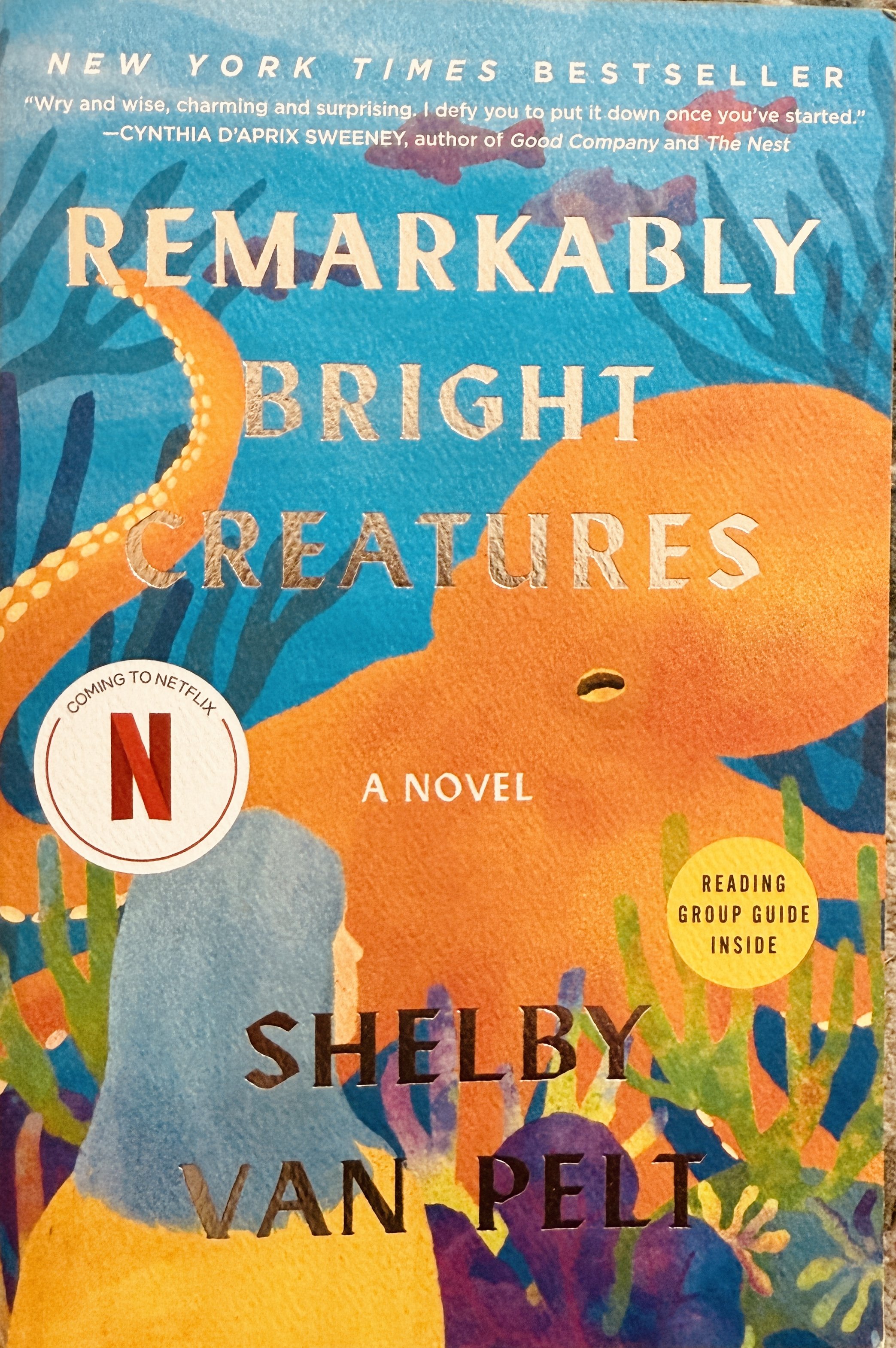
Reading While Grieving is designed for readers who are living with loss. Each month, a work of fiction is paired with a non-fiction book about grief, creating a space where emotions and experiences can be gently met and understood. This is a compassionate space for reflection, connection, and meaning-making through reading.
Non-fiction grief literature complements this by offering language, context, and validation. It helps normalize what can feel isolating, confusing, or overwhelming. Together, fiction and non-fiction support both the emotional and cognitive dimensions of grief.
Research on learning from multiple texts shows that when readers engage with complementary perspectives, they are better able to integrate ideas, reflect deeply, and create personal meaning. This integrative approach, moving between story and insight, is especially helpful when navigating complex life experiences such as grief, which has no simple answers.
Grief is also an unwanted companion imposed on the journey you are already on. Grief changes the way you move through the world. And everyone grieves differently. This is the side of love we don’t like to think about until we must. Something has been taken. Someone or something that had meaning. Someone. Someone loved.
Stories have a quiet way of reaching us when nothing else can.
Stories help process tender experiences and explore complex emotions. Through narrative, metaphor, and characters, fiction allows us to recognize grief without having to explain it. We see ourselves in a character’s longing, confusion, anger, or love, etc., and feel less alone in our own.
“To deny the grief is to squander a transforming and radiant possibility. ”

Reading while Grieving focuses on presence.
Participation is flexible, and listening is always enough.
The emphasis is on the characters and the story. How are they experiencing grief? What other emotions do they have? Personal connections to the story and characters may be shared at your discretion.
Stories meet us; they can reach beyond our conscious awareness and help us find empathy for common humanity and the universality of grief and mourning.
Books are carefully selected to balance emotional depth with accessibility. The paired readings are designed to be supportive and offer multiple entry points into the experience of grief, through imagination, research, lived experience, and wisdom.
-
Adults navigating grief or loss
Readers seeking a gentle, non-pressured book group
Anyone curious about processing grief through story and reflection
Community members looking for meaningful connections
-
Thoughtfully paired grief-related fiction and non-fiction
Light facilitation to guide conversation and reflection
Cultural humility: welcoming & supportive atmosphere
Permission to engage at your own pace
An optional artistic activity once a month, to explore and express your emotional experience.
-
Grief can feel profoundly lonely, even when you are surrounded your “normal” life. Reading alongside others who are experiencing loss—without needing to fix, compare, or explain—can be quietly healing. Shared stories create shared language. Silence becomes less heavy. Meaning emerges slowly, and on your own terms.
Reading While Grieving offers a safe way to connect with your journey, emotions, and self.
-
It is strongly encouraged as the story and the characters give the framework to connect with grief and yet discuss it objectively.
This group is suitable for people grieving many kinds of loss—whether recent or long-held, expected or sudden.
Come as you are. Listen if that feels right. Let the stories do some of the carrying.
Currently Reading